Design with Purpose: The Magic Bee Conservation Emblem
There is a specific kind of visual storytelling that cuts through the noise of modern marketing. It is the kind that doesn't just decorate a page, but carries a message with weight and elegance. Imagine a design that combines the geometric perfection of nature with a clear, urgent call to action. This is the essence of the striking black and white illustration known as the Magic Bee Design. It is more than just a graphic; it is a symbol of stewardship, a vintage-inspired emblem that speaks to the heart of environmental conservation. For designers, small business owners, and creators alike, this piece of vector art offers a powerful tool for projects centered on sustainability and awareness.
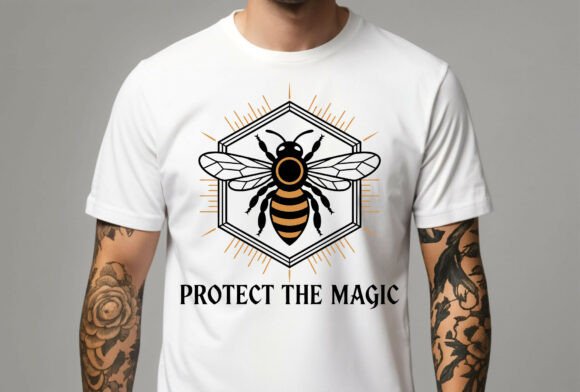
The visual appeal of this design lies in its masterful balance of simplicity and detail. At its core, the illustration features a stylized honeybee, rendered in a classic line art style that feels both timeless and modern. The bee is not merely placed on the canvas; it is framed within a hexagon, a direct nod to the structural genius of the honeycomb. This geometric containment gives the design a sense of order and stability, qualities that are essential for any strong brand identity. Arching above this central motif, the word "Protect" is elegantly scripted, transforming the image from a simple illustration into a powerful directive. The inclusion of subtle gold accents within this black and white framework adds a layer of sophistication, providing a vintage and retro aesthetic that feels premium and carefully crafted.
A Versatile Asset for Branding and Awareness
For those building a brand or launching a campaign, the right visual asset can make all the difference. This Protect the Magic Bee Design illustration is a perfect example of a versatile design asset. Its clean lines and clear symbolism make it an ideal candidate for logo design, serving as a memorable emblem for organizations, non-profits, or small businesses dedicated to ecological causes. Picture it on the letterhead of a local apiary, the packaging of an organic skincare line, or as a badge on a website promoting wildlife conservation. The design communicates a commitment to nature without needing a single word of explanation.
Beyond traditional branding, its applications extend into the realm of merchandise and promotional materials. The vector format ensures that it scales perfectly, whether it's being used for a small vinyl decal on a laptop or a large print on a tote bag. For content creators and marketers, this illustration can become a cornerstone of social media graphics, creating a consistent and recognizable visual theme for campaigns about saving the bees. It works beautifully on invitations for eco-friendly events, as part of editorial layouts in blogs focused on sustainability, or as a striking element in digital products like printable wall art. The included file formats—SVG, EPS, AI, and a high-resolution PNG—mean it is ready for almost any production method, from sublimation printing on apparel to intricate cut files for crafting machines.
Integrating Symbolism into Your Creative Workflow
Choosing a design like this is about more than just aesthetics; it is about aligning your project's visual language with its core values. The hexagon and bee motif are powerful symbols. The hexagon represents efficiency, community, and natural order. The bee itself is an icon of industriousness, pollination, and the delicate balance of our ecosystem. When you incorporate this illustration into your work, you are borrowing that symbolic power. It helps build an immediate, subconscious connection with an audience that cares about these issues.
From a practical design standpoint, the monochromatic palette with gold accents offers tremendous flexibility. It can be placed on light or dark backgrounds, paired with a wide range of color schemes, and used alongside various typography styles. For instance, pairing it with a clean sans-serif font can create a modern, approachable look for a website or app. Alternatively, combining it with a elegant script or serif font can enhance its vintage feel for wedding invitations or boutique packaging. This adaptability makes it a valuable addition to any designer's toolkit, allowing for creative experimentation while maintaining a cohesive and professional presentation.
Practical Steps for Implementation and Licensing
Before diving into a project, a few practical considerations can ensure the best results. First, always review the specific licensing terms associated with the design. Understanding whether it is intended for personal use, commercial use, or both is crucial for avoiding issues down the line, especially if you plan to sell products featuring the emblem. The fact that this file is delivered in a ZIP with multiple formats suggests it is likely intended for a range of uses, but confirming this is a mark of a professional workflow.
Next, think about context. Where will this design live? The high-resolution PNG is perfect for digital use and standard printing, while the vector files (SVG, EPS, AI) are essential for any project requiring scaling, color editing, or use with cutting machines. For a t-shirt design, you might consider how the illustration's line weight will translate to fabric. For a social media post, you might experiment with cropping the image to focus on different elements—the bee alone, or just the hexagonal frame. Testing these variations in your design software before finalizing a layout can save time and resources.
Ultimately, the true value of a design asset like the Protect the Magic Bee illustration is realized when it helps you communicate more effectively. It provides a shortcut to visual meaning, allowing you to tell a story of conservation, care, and natural beauty in a single, compelling image. Whether you are a graphic designer working on a client project, a small business owner crafting your brand's identity, or a hobbyist creating something meaningful for a cause you love, this emblem offers a blend of artistry and purpose that is rare to find. It is a reminder that good design can, and should, be used for good.